Cordoba
Located in the heart of Andalusia, where we seek shade under the shelter of ancient stones. A city that tells the stories of three cultures. You will have the opportunity to walk and photograph cobbled streets and buildings where each stone holds a secret, a whisper of times gone by.
As you enter the old town, you will not only walk through its streets; you will begin a journey through the ages, a journey where every corner reveals the rich heritage of Romans, Jews, Muslims and Christians. Start with the Jewish Quarter, a labyrinth of narrow streets and whitewashed houses, where time seems to stand still and every corner holds the voices of ancient Jewish communities.
Even if we do routes passing by all the buildings you will see below. Follow your steps, get lost in the streets. Don’t follow these routes to the letter. They advance according to what your project asks of you.
Every place you visit will offer you a new perspective, a new story to tell through your lens. Cordoba is a city where past and present coexist in harmony, and each photograph will be an open door to the dialogue between cultures, a window to the soul of an eternal city.
Your mission is to capture these moments, these stories, and share the cultural richness of Cordoba through your art. Let yourself be carried away by the magic of this city, listen to the whispers of the past and let each image speak for itself.
First approach to the Jewish Quarter
La Juderia Castle
It was an old military building used by the Jews who arrived in Cordoba from 1236 onwards, and which the successive Castilian kings allowed until it was attacked and destroyed in the most devastating anti-Semitic revolt that took place in June 1431.

Judah Levi Square
Square dedicated to Yehudah ben Samuel ha-Levi (1070-1141). Considered «prince of the Hebraic-Andalusian poets» according to Menéndez Pidal (renowned Spanish philologist and historian).

Maimónides Square
Very close to the Plaza del Cardenal Salazar (which we will see the next day), it houses the Baroque house of the Bulls of the Holy Crusade (now the Bullfighting Museum). In the 16th century, the Bull of the Holy Crusade was a pontifical concession that granted the faithful the possibility of obtaining a large number of indulgences and spiritual privileges in exchange for alms, which in the Spanish dominions was ceded to the Crown.

Mudejar Chapel of San Bartolomé
Built between the 14th and 15th centuries, in the Baroque period it was annexed to the hospital of Cardenar Salazar (now the Faculty of Philosophy and Arts). It is one of the best examples of Mudejar art in Cordoba, together with the Royal Chapel of the Mosque-Cathedral and the Synagogue.

Tiberíades Square
The bronze sculpture of Maimonides (by the sculptor Amadeo Ruiz Olmos) is located in this square. It is said to be a small square for the greatest man of all the Cordovan aljama.

Zoco Municipal de Artesanía
También conocido como Mercado de la Artesanía, es uno de los espacios más característicos de la ciudad. Aquí sólo encontraréis artesanía local. El edificio se construyó en el siglo XVI. Perteneció a la familia de los Armenta. Una vez que éstos se trasladaron al palacio del duque Medina Sidonia, fue adquirida por los Góngora, donde vivió el poeta Luis de Góngora con su familia.

Cordoba Synagogue
It is the only one of its kind in Andalusia and the third best preserved medieval church in Spain. Built between 1314 and 1315, according to inscriptions on the building itself, it served as a temple until the final Jewish expulsion.

Sefarad House
Built in the 14th century. Converted into a House of Memory in 2004 with the aim of rescuing from oblivion the Jewish legacy that, since its expulsion in 1492 by the Catholic Monarchs, has been lost.

Jewish Street
In this street we will find the Sefard House, the Synagogue, the Municipal Souk, the Andalusian House and the Maimonides Square. This is the street we will take to see most of the architectural heritage mentioned above.

Almodovar Gate
The gate we can see now was built in the 14th century over the original Arabic one. On the outside there is a stream that joins this access to the Moon Arch. This walkway was built in the 1960s. It has been discovered that an ancient Jewish cemetery once stood on this site.

From Past to Present Old Town
Almodovar Gate
The gate we can see now was built in the 14th century over the original Arabic one. On the outside there is a stream that joins this access to the Moon Arch. This walkway was built in the 1960s. It has been discovered that an ancient Jewish cemetery once stood on this site.
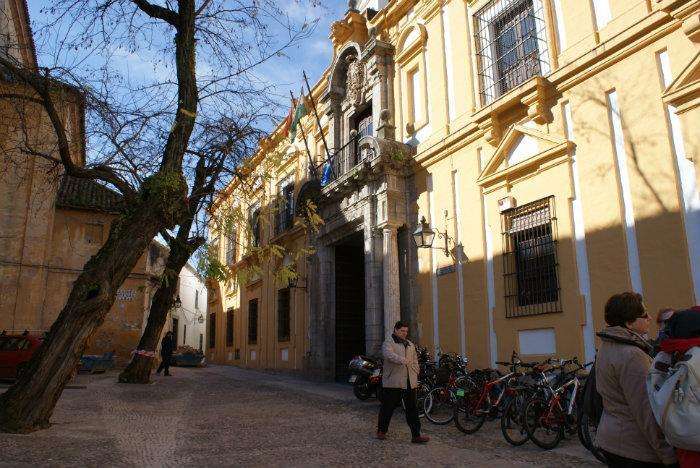
Faculty of Philosophy and Arts
Built at the beginning of the 18th century thanks to the patronage of Cardinal Pedro de Salazar. Baroque in style, it was the old Acute Hospital of Cordoba until 1969 when it became a university centre and since 1971 it has housed the Faculty of Philosophy and Letters of the city of Cordoba.
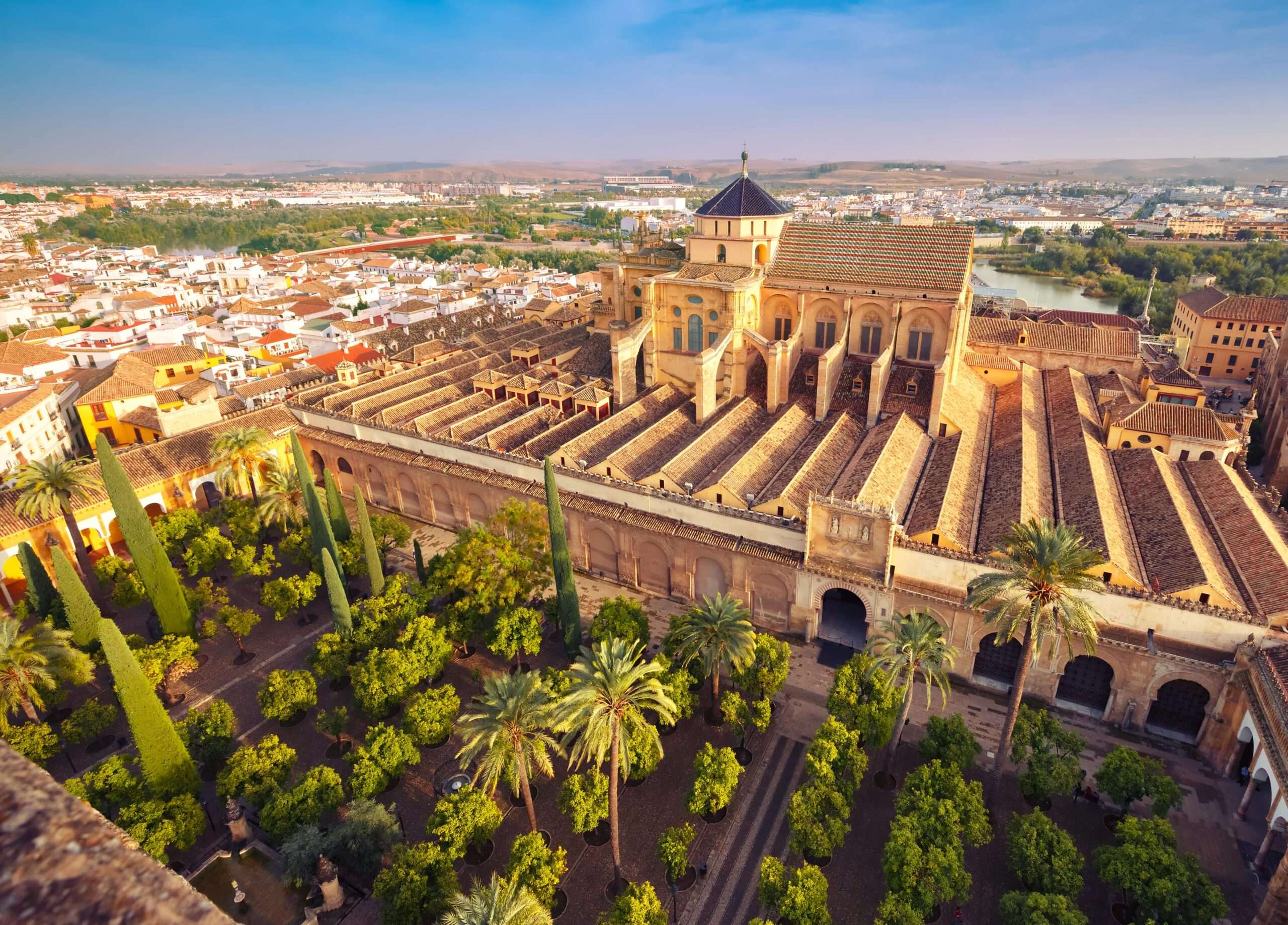
Patio de los Naranjos, Mosque-Cathedral of Cordoba
We will go around the building and enter the Patio de los Naranjos. If you wish, you can go inside the courtyard by paying the entrance fee. Here is the link to the regulations for the visit to this monument which is an emblem of the city.
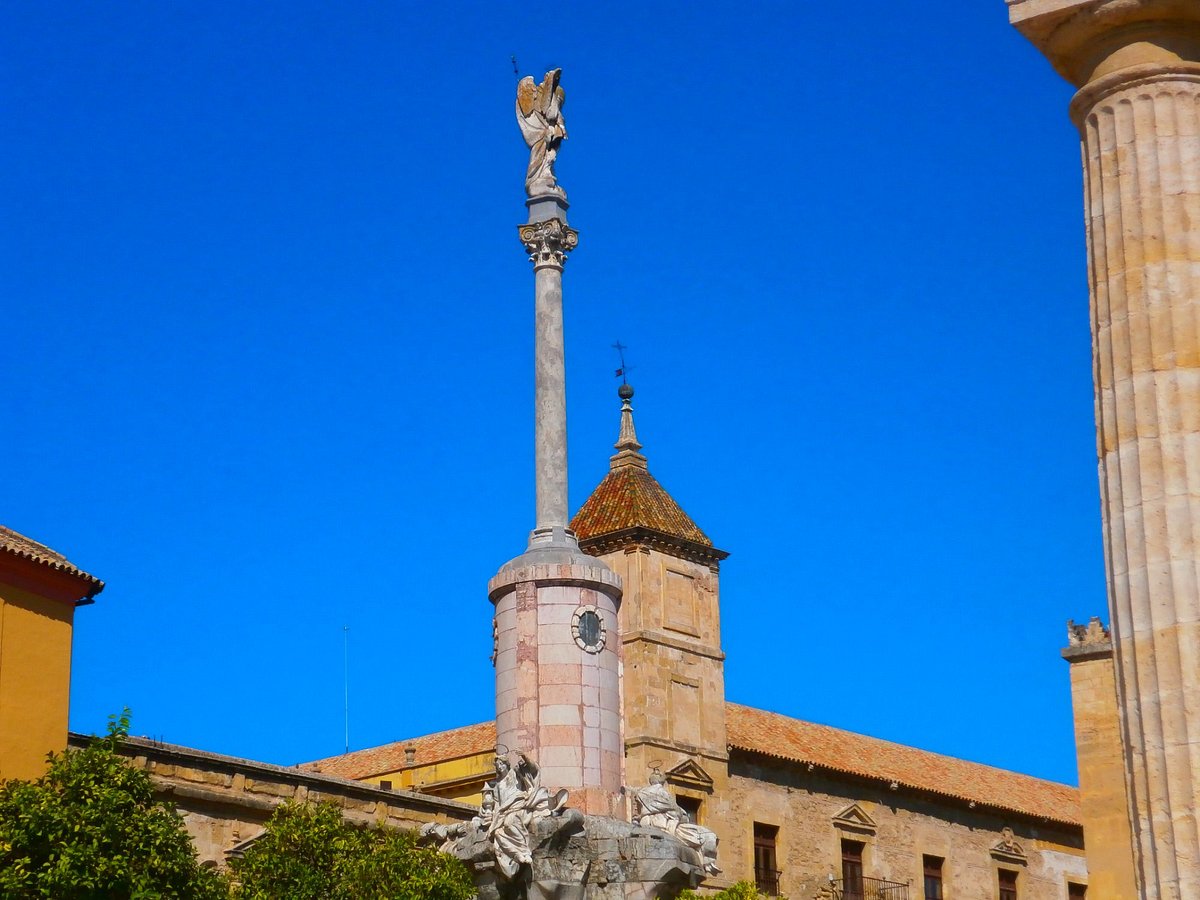
St Raphael’s triumph
The patron saint of the city of Cordoba is the Archangel Saint Raphael and his sculpture called Triumphs are scattered throughout the city. The one located next to the Puerta del Puente was made in the 18th century. It has symbols of the earthly and the divine. We will also see the one located on the Roman Bridge, the oldest dating from 1651.
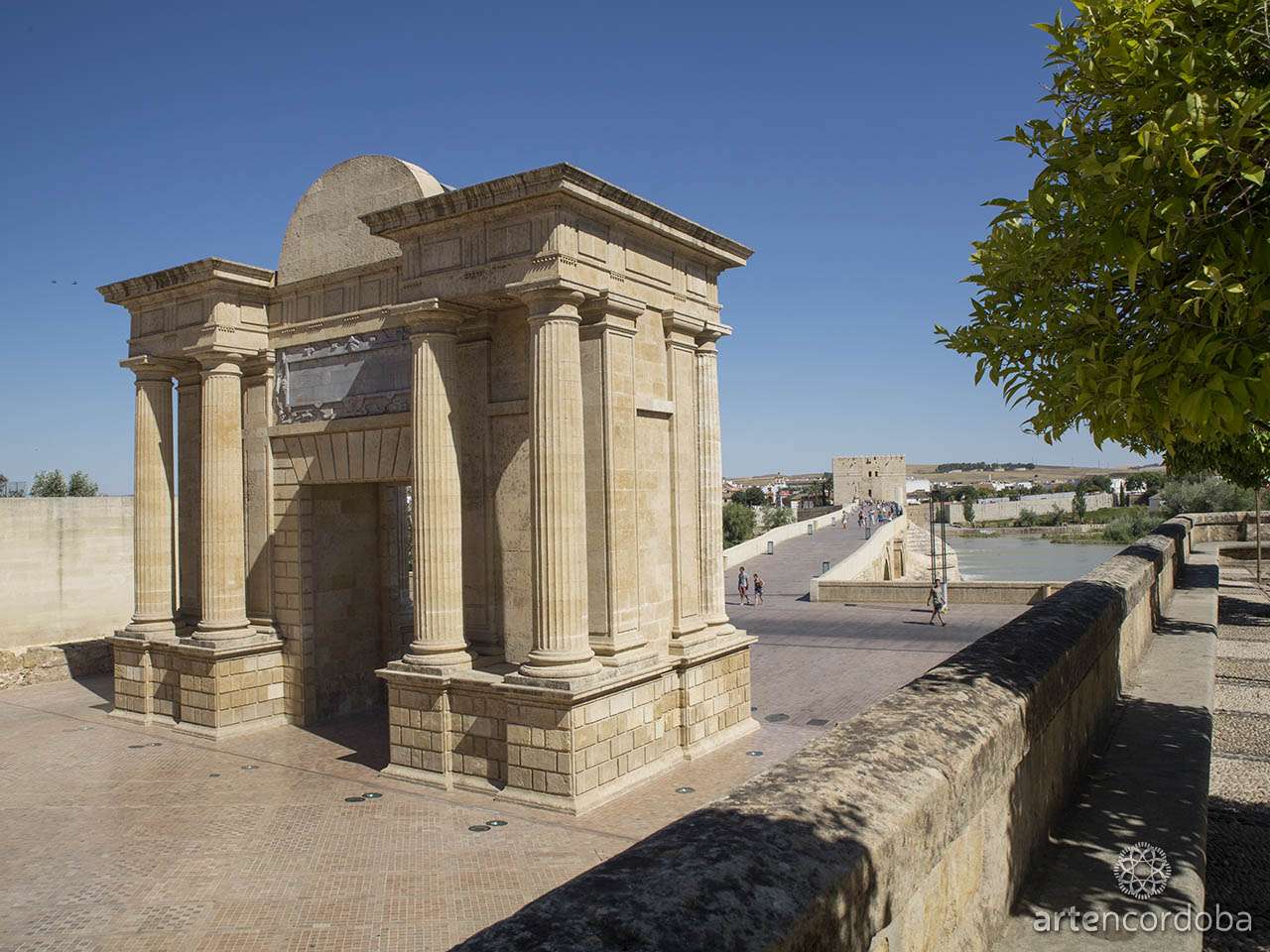
Bridge Gate
Its present-day appearance is due to the remodelling it underwent in the 16th century. At the beginning of the 20th century it ceased to form part of the buildings that flanked it (it was originally part of the wall). It is a monument that you can visit. It has a permanent exhibition hall inside.
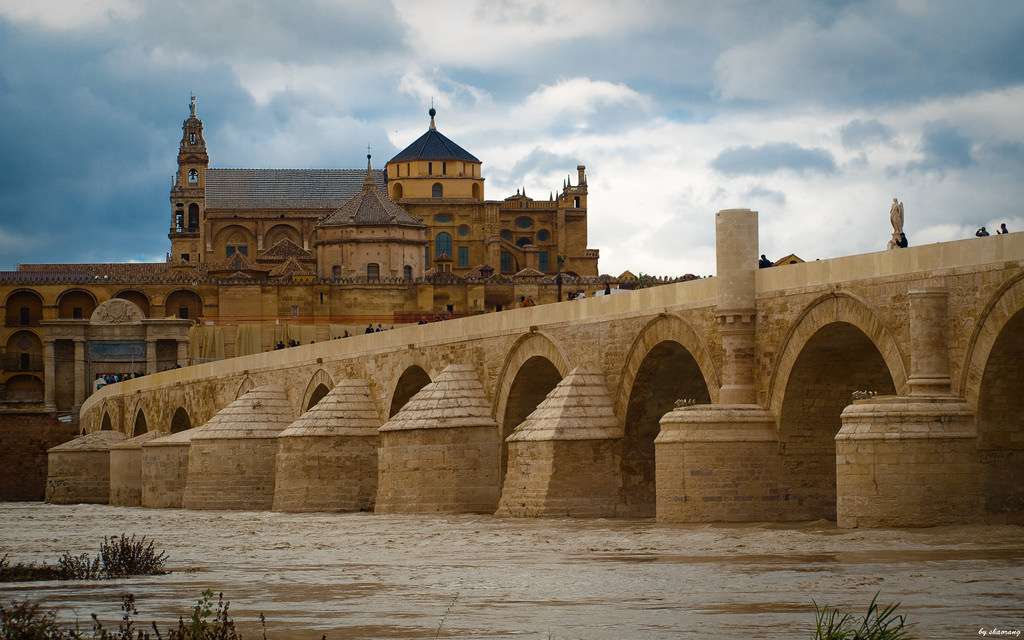
Roman Bridge of Cordoba
It joins the Cathedral Quarter with the Campo de la Verdad neighbourhood. It is also known as the Old Bridge as it was the only bridge in the city for twenty centuries, until the construction of the San Rafael Bridge in the middle of the 20th century. Its history begins in the times of the first Emperor Augustus (27 BC – 12 AD) when Cordoba acquired the title of Colonia Patricia and was extended towards the Guadalquivir.
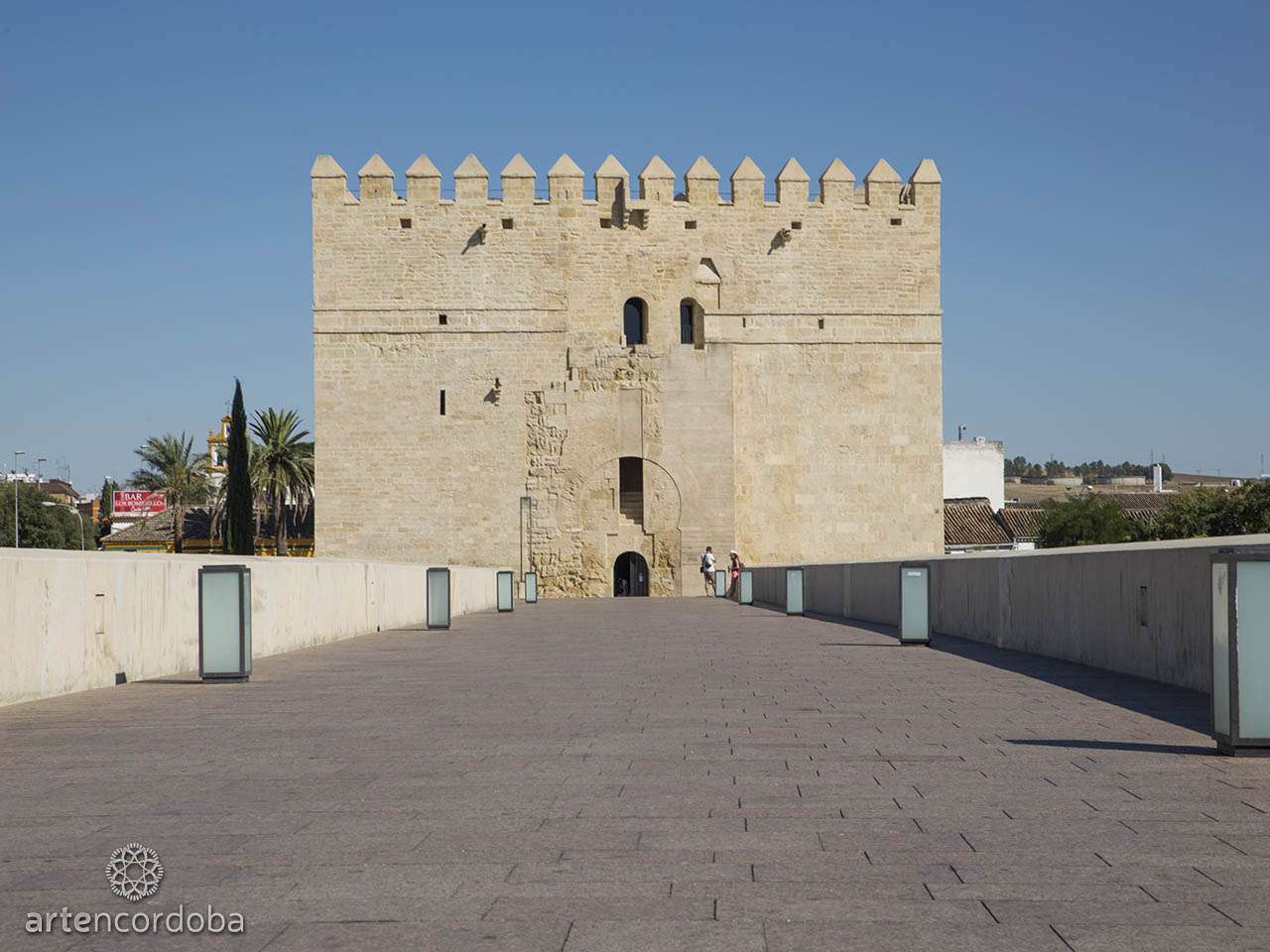
Calahorra Tower
It is an Islamic fortress created as an entrance and protection for the Roman bridge. The first references to the tower date back to 1236 with the Castilian conquest of Cordoba by King Ferdinand III. This tower made it difficult for the invasion of the city.
Centre for Contemporary Creation of Andalusia
The Centre for Contemporary Creation, or C3A, began work in September 2008 but was not inaugurated until December 2016. It is a museum and centre for artistic creation, dedicated to contemporary art.
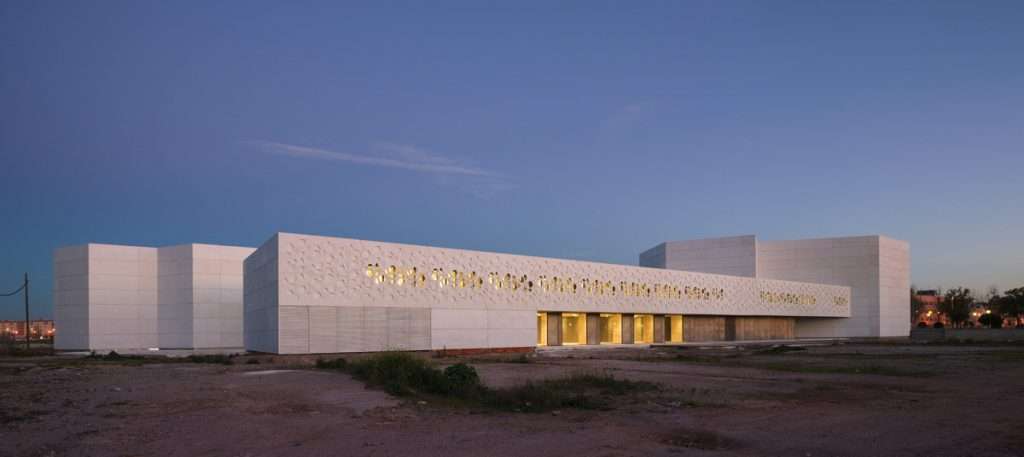
Paseo de la Ribera
Baths of the Caliphate Alcazar
These ancient Arab baths in Córdoba were built by the Cordoban Caliph al-Hakam II in the 10th century and were part of the old Andalusian Alcazar, which we will see below. They may have been the most important baths in the city at the time.
Alcázar de los Reyes Cristianos
Military fortress located on the banks of the Guadalquivir River. It was built on the site of the old Umayyad Alcazar. After the conquest of Granada in 1492, the fortress was the seat of the Spanish Inquisition Court until its abolition by the Cortes de Cádiz in 1812, when it became a civil prison until the Second Republic. It is currently open to visitors.
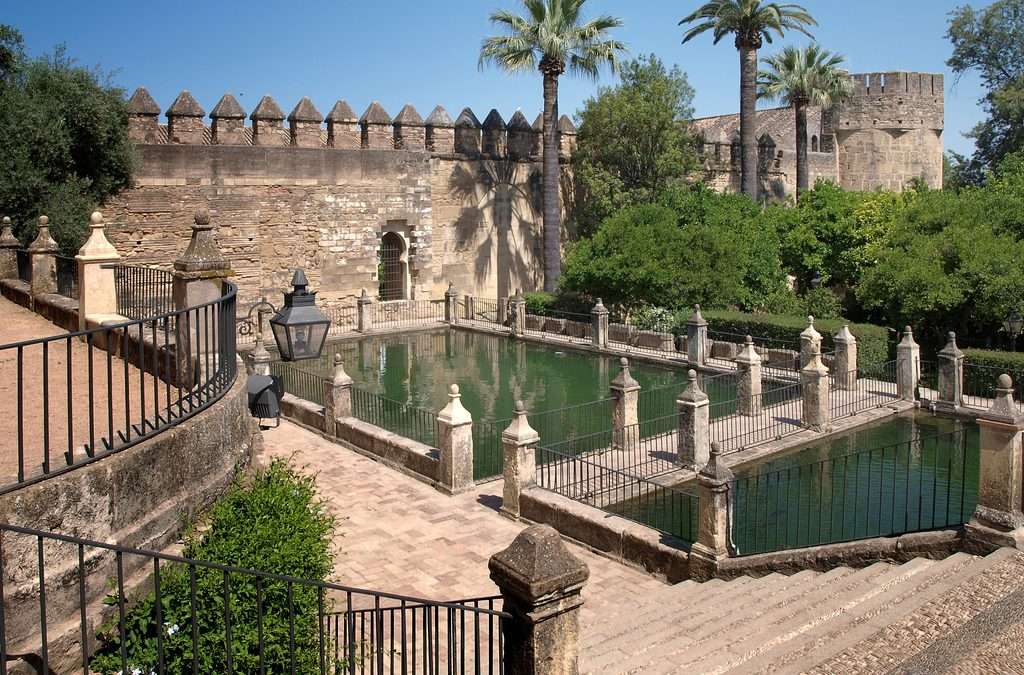
Fuente Real
It is a simple pillar with a spout that pours water from a natural spring. Although it is known as the ‘Royal Fountain’, this name has no documented origin. It could be due to its proximity to the Alcázar, the residence of the kings at various times. Despite its simplicity, it was of great importance to the inhabitants of Cordoba.

Guadalcabrillas Tower
This is a watchtower overlooking the Guadalquivir River that formed part of the walled enclosure of the Alcázar Viejo, or Corral de los Ballesteros, and Huerta del Alcázar.
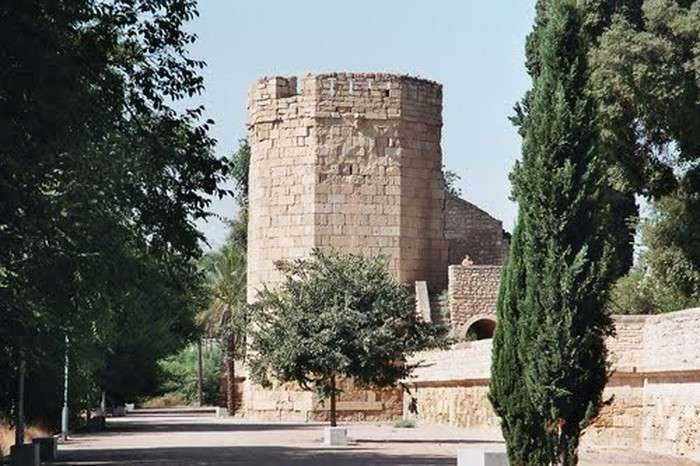
Albolafia Mill
Between the Roman Bridge and the Alcázar de los Reyes Cristianos, this is the oldest of the mills on the city’s riverbanks and is located in the natural area of the Sotos de la Albolafia. Its importance is such that its waterwheel has been featured on the city’s coat of arms since the 14th century.
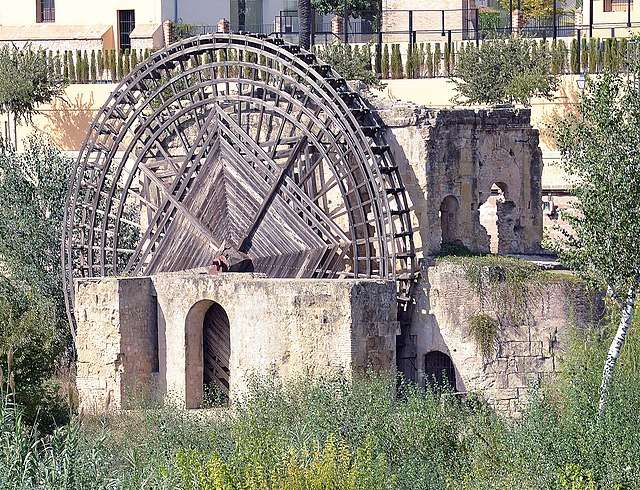
Ronda de Isasa
It is one of the most monumental roads in Andalusia. It owes its name to the Cordovan politician Santos Isasa Valseca, who was a minister in the government of Antonio Cánovas del Castillo at the end of the 19th century.
Strolling along this roundabout we can see a wealth of architecture, the Guadalquivir River and the Sotos de la Albolafia (Albolafia means ‘of good luck’ or ‘of good health’).

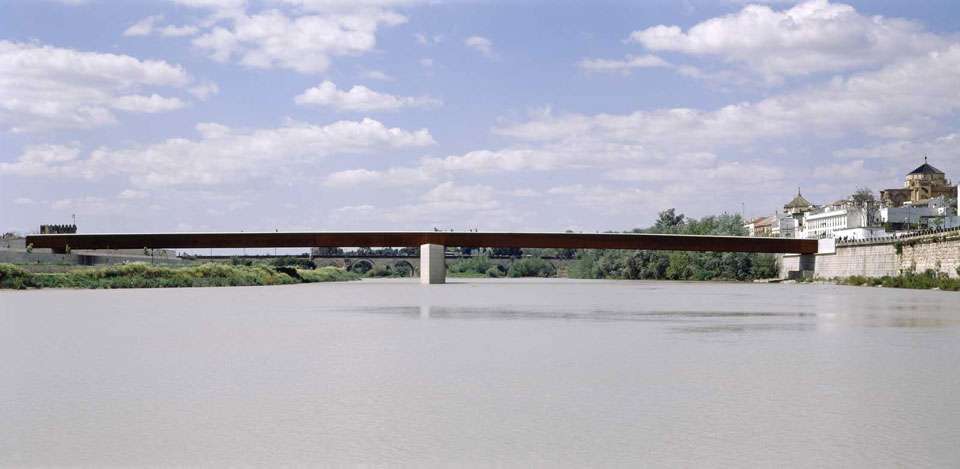
Miraflores Bridge
So called because it connects the historic centre of Cordoba with the Miraflores Park, it was the fourth urban bridge built in the city.
Miraflores Park
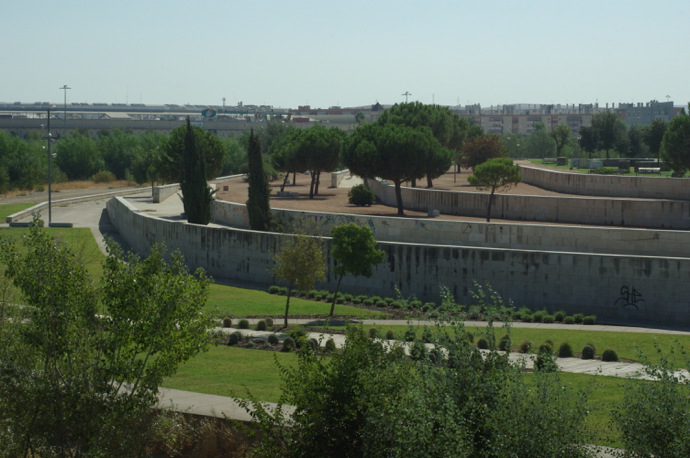
Architectural work by the artist and architect Juan Cuenca (he was also in charge of the restoration of the Roman Bridge in Cordoba). We will finish today in this park inaugurated in 2003. We will have a splendid view of the city from this side of the river.